The art of the bracelet stack
There are two kinds of bracelet people: the ones who change their wrist with their outfit, and the ones who put something on in the morning and forget it's there until someone asks. This is for the second kind — and for anyone who wants to become her.
A stack is not a trend. It's a record of your life: the chain you bought after a promotion, the charm from a trip, the silver bracelet your friend gave you for your birthday. The trick is making those separate stories sit together as if they were always meant to.
“The best stacks don't look styled. They look accumulated.”
Start with the anchor
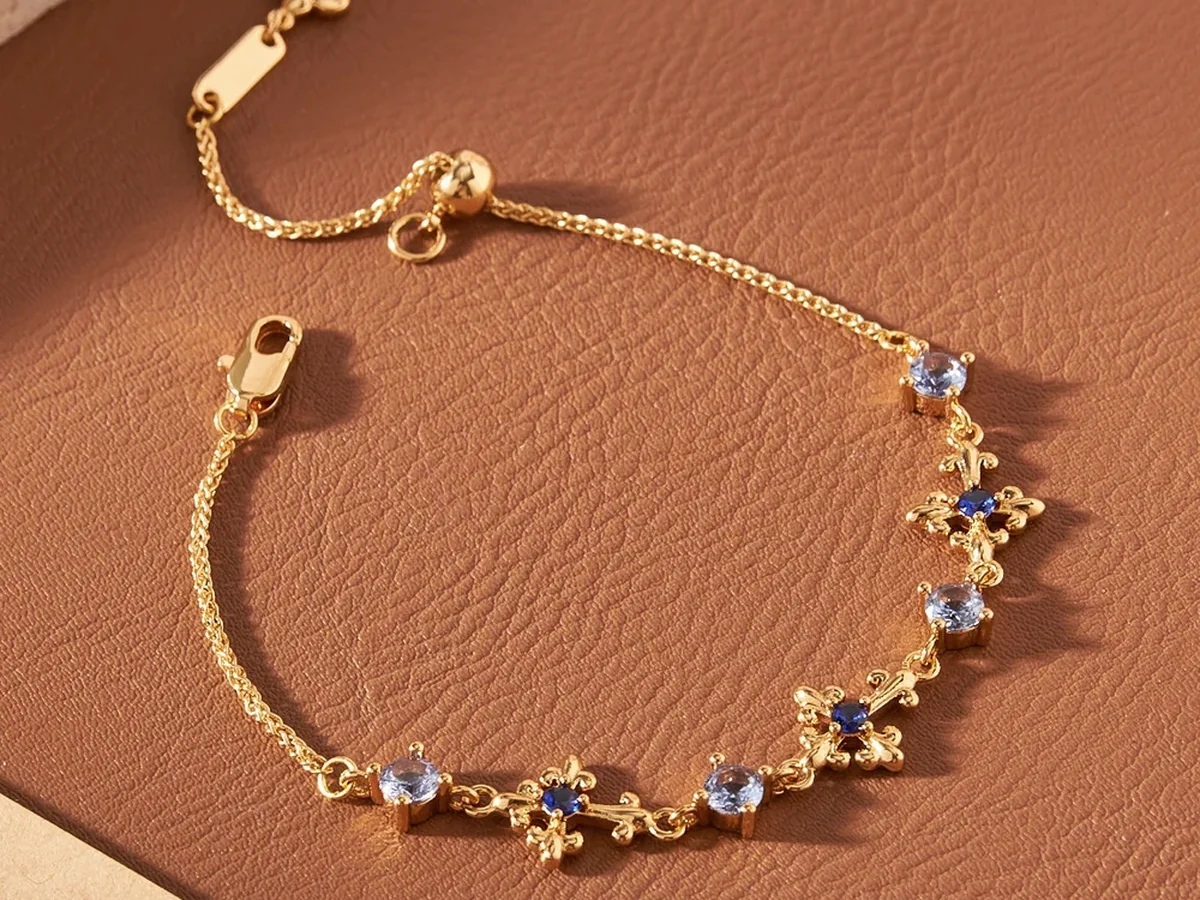
Every stack needs one piece that never comes off — usually a fine chain or a simple gold-tone bracelet. Choose something with a little weight, a clasp you trust, and an adjustable length. The Everyday Edit is built around this idea: pieces that can be worn alone, then added to.
- Anchor. A simple chain or plain bracelet. This is your baseline, not your statement.
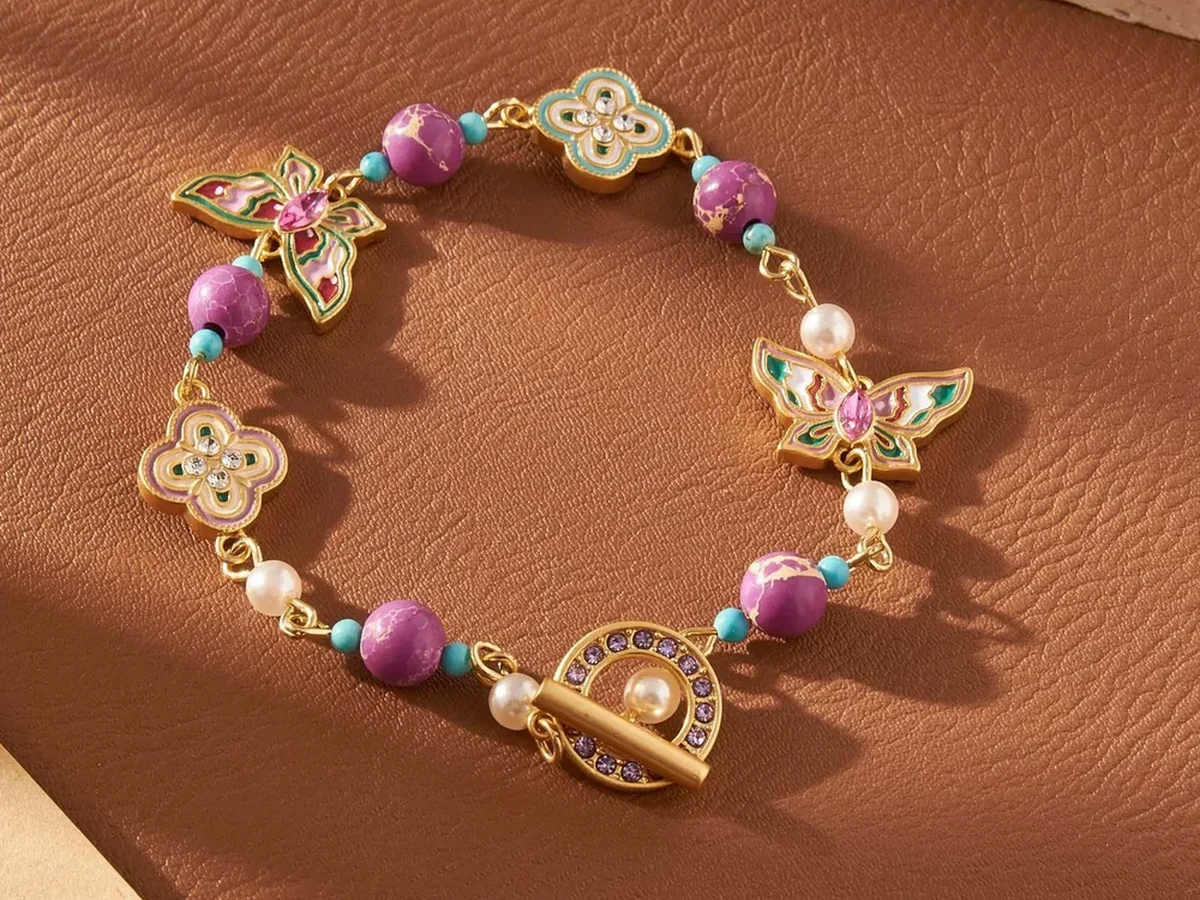
- Contrast. Add texture or colour — a ribbed bangle, a beaded chain, a single stone. Contrast is what makes a stack read as intentional.
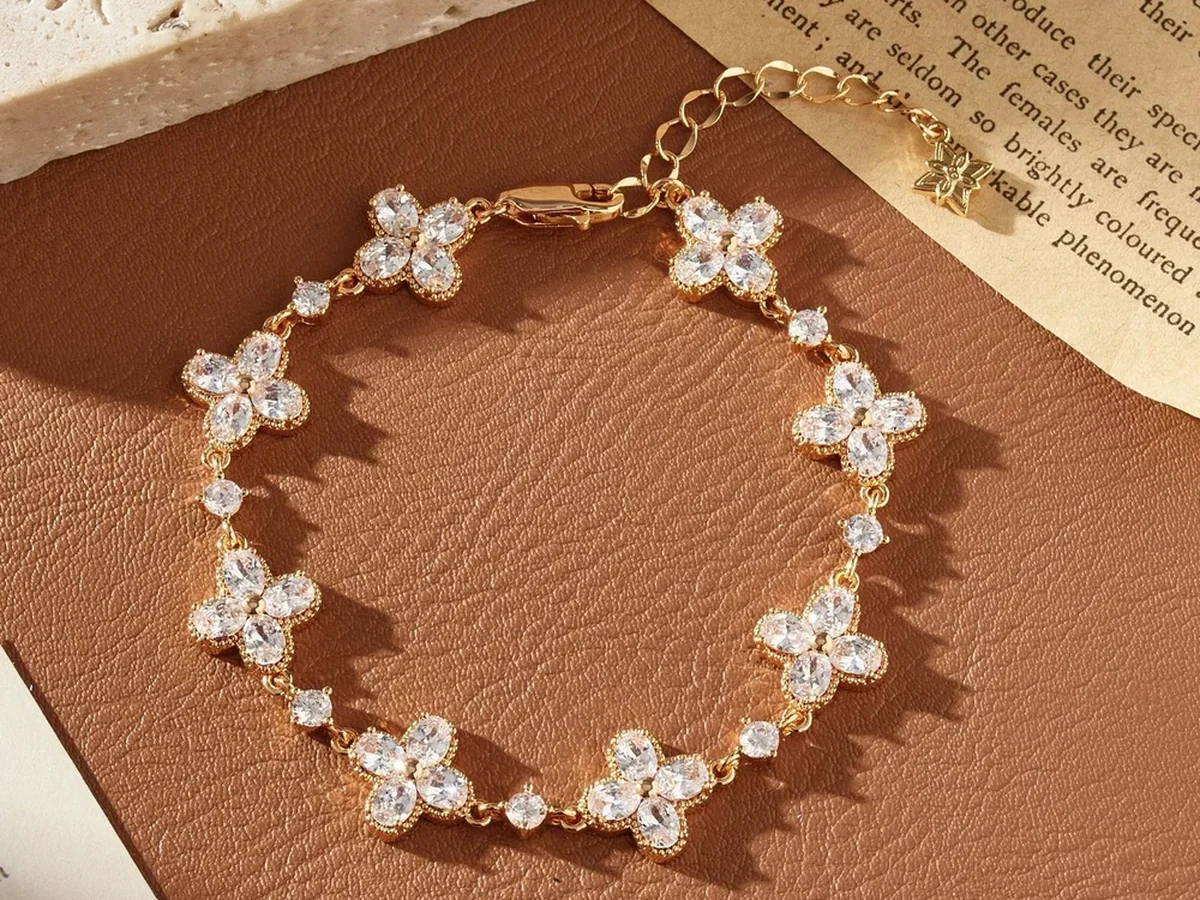
- Personal. Finish with the piece that means something: a clover, a heart, a leaf, a coin.
The spacing rule
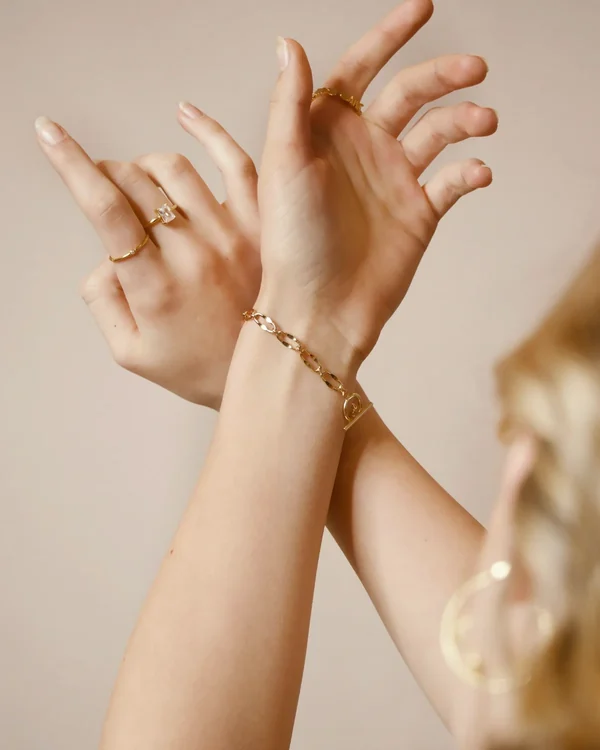
The most common mistake is putting everything at the same tension. If one bracelet is much tighter than another, they will fight for space. Adjust each one so it sits at a different point on the wrist, and let the charms fall where they want to.
And don't forget the other wrist. A single bracelet next to a watch can do the same work as three on one arm, with none of the tangling.
When to stop
Three is usually enough. Four if one is very fine. Five if you're going to a wedding. The point is not to look like you're wearing a collection — it's to look like yourself, only more so.
If you're unsure, take one thing off. Then put it back on if you miss it.
Shop the Everyday Edit